Under the moonlight, ancient songs are sung as shrine maidens perform solemn dances amid the glow of bonfires and lanterns. This atmospheric ritual is Takamiya Kannabi-sai, held on October 3 as the finale of Munakata Taisha’s annual Autumn Grand Festival.
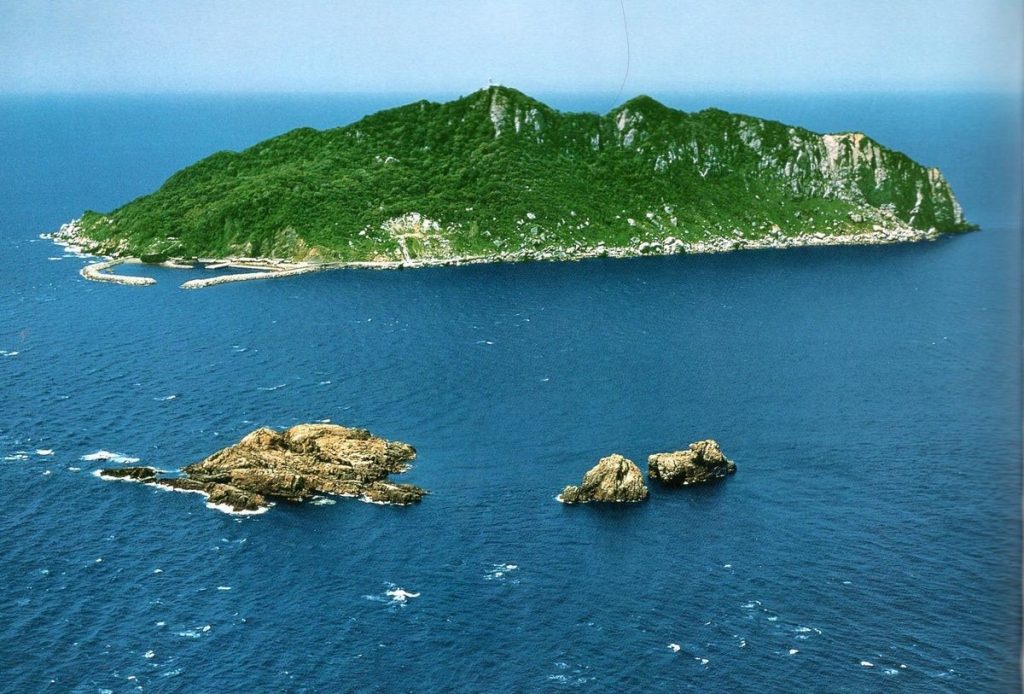
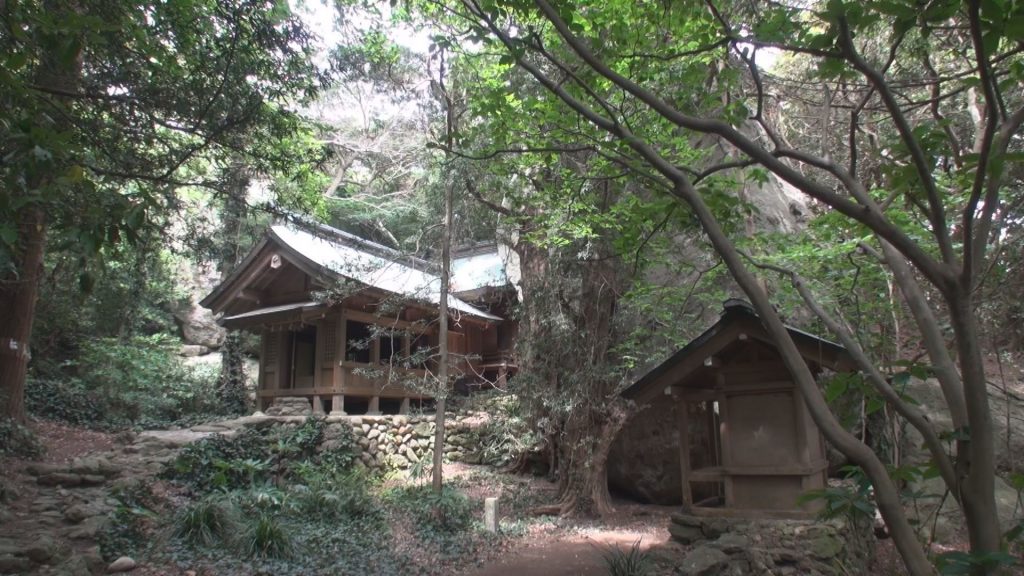
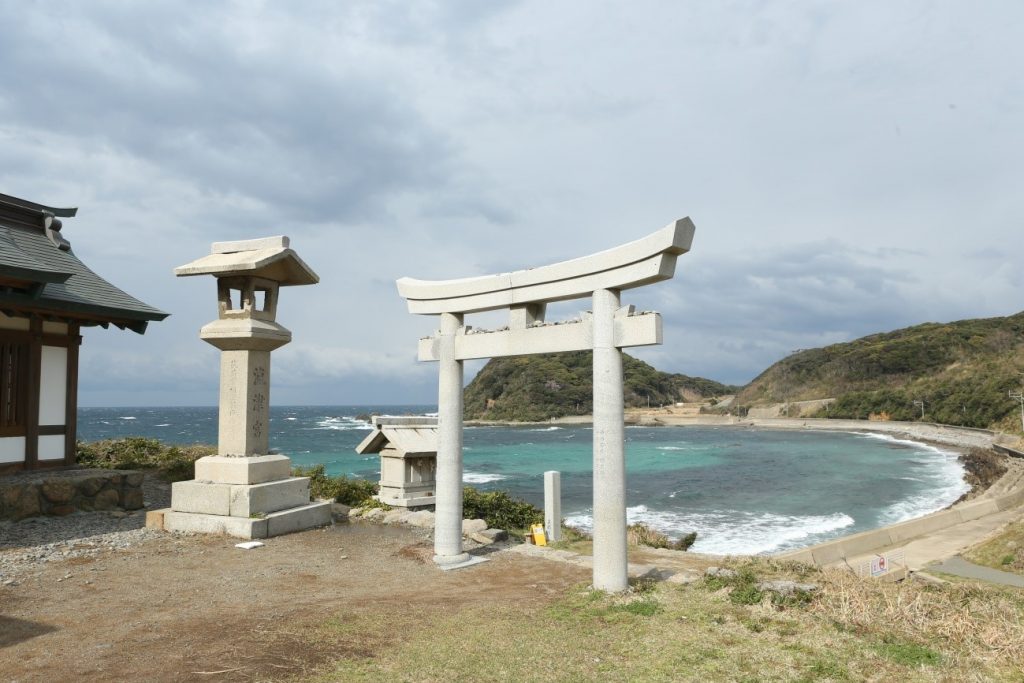
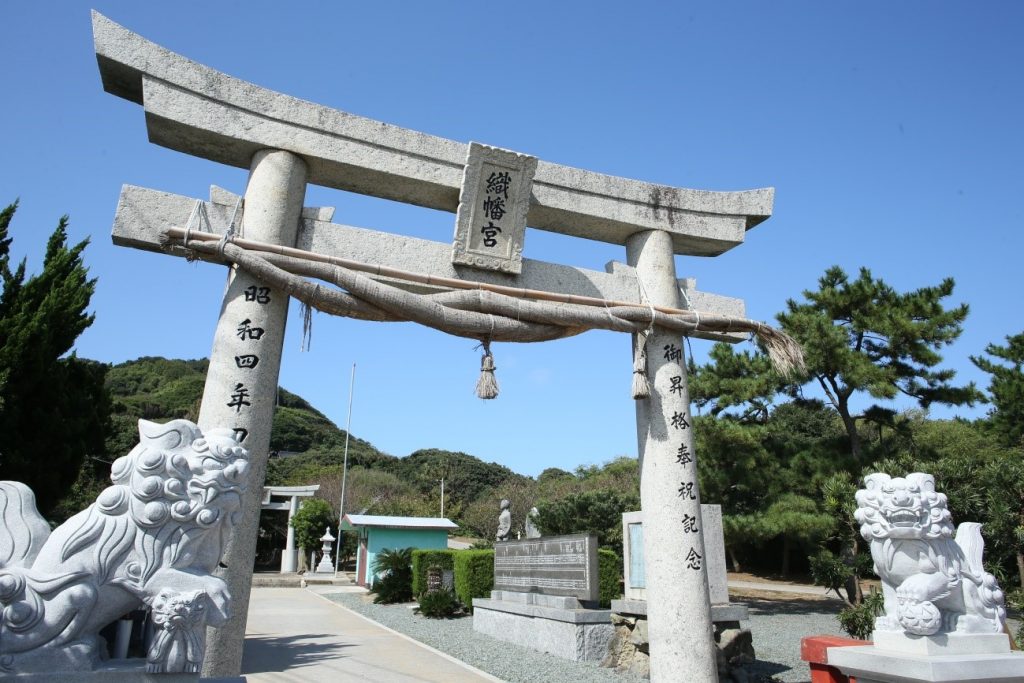
In July 2017, the “Sacred Island of Okinoshima and Associated Sites in the Munakata Region” was inscribed on the UNESCO World Heritage List. The property consists of eight component parts: Okinoshima, Koyajima, Mikadobashira, Tenguiwa, Okitsu-miya Yohaisho (Remote Worship Hall), Nakatsu-miya, Hetsu-miya, and the Shimbaru-Nuyama Mounded Tomb Group.
The property preserves ancient ritual sites on Okinoshima together with living traditions of worship associated with the Three Female Deities of Munakata. Around 80,000 votive objects have been unearthed from Okinoshima, many of which reflect exchanges between the Japanese archipelago, the Korean Peninsula, and the Asian continent from the 4th to the 9th centuries.
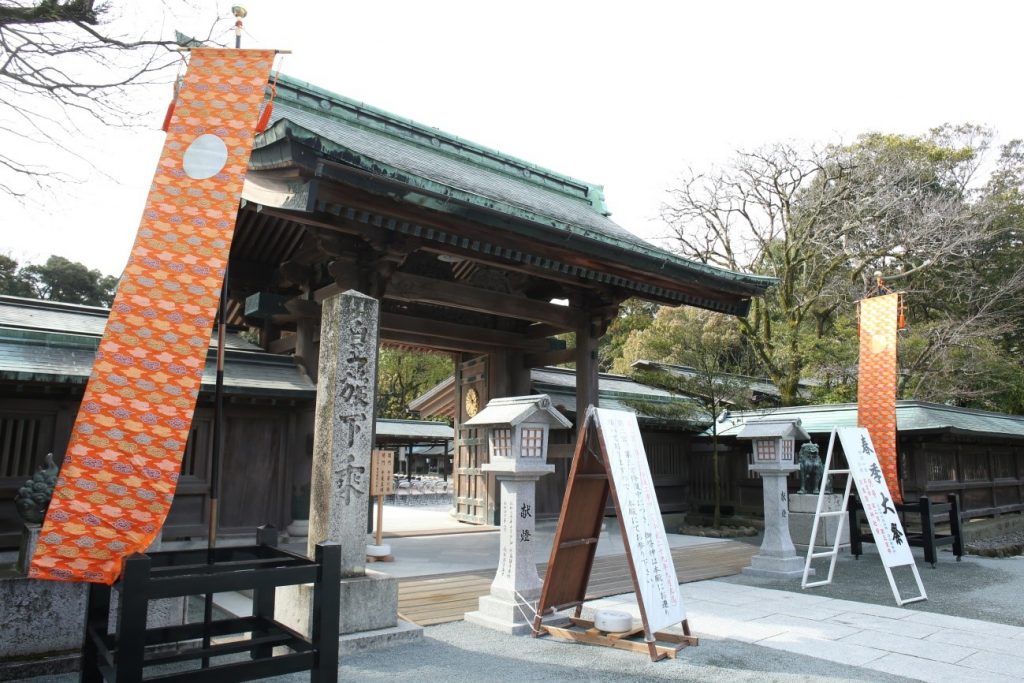
The Munakata Taisha Autumn Grand Festival is held over three days each year, from October 1 through October 3.
Munakata Taisha consists of three distinct worship sites spread across roughly 60 kilometers: Okitsu-miya on Okinoshima, Nakatsu-miya on Oshima, and Hetsu-miya on the Kyushu mainland. According to Japanese mythology, the Three Female Deities of Munakata were born from Amaterasu Omikami and have long been worshipped as deities who protect routes and travel.
The festival begins with the Miare Festival. Tagorihime-no-kami of Okitsu-miya and Tagitsuhime-no-kami of Nakatsu-miya are welcomed to Hetsu-miya, where Ichikishimahime-no-kami is enshrined. About 100 fishing boats from the traditional Munakata coastal communities accompany the sacred boat from Oshima toward Konominato, flying colorful fishing flags and streamers in a spectacular sea procession.
After arriving at Konominato, the sacred procession continues to Hetsu-miya. During the festival, prayers are offered for peace, abundant harvests, plentiful fishing, and safety at sea, and traditional performances including Okina-mai, local folk dance, Urayasu-mai, and yabusame horseback archery are dedicated.
The Autumn Grand Festival concludes on October 3 with Takamiya Kannabi-sai. Takamiya Saijo is an ancient ritual site without a shrine building and is traditionally regarded as the place where Ichikishimahime-no-kami descended. On the evening of October 3, sacred dance and traditional songs are offered in gratitude for the successful completion of the festival and in prayer for the enduring divine protection of the Three Female Deities of Munakata.