Experience the Culture of Japan at Meiji Jingu on Culture Day, November 3rd
November 3rd, Culture Day — An Invitation to Rediscover the Culture of Japan
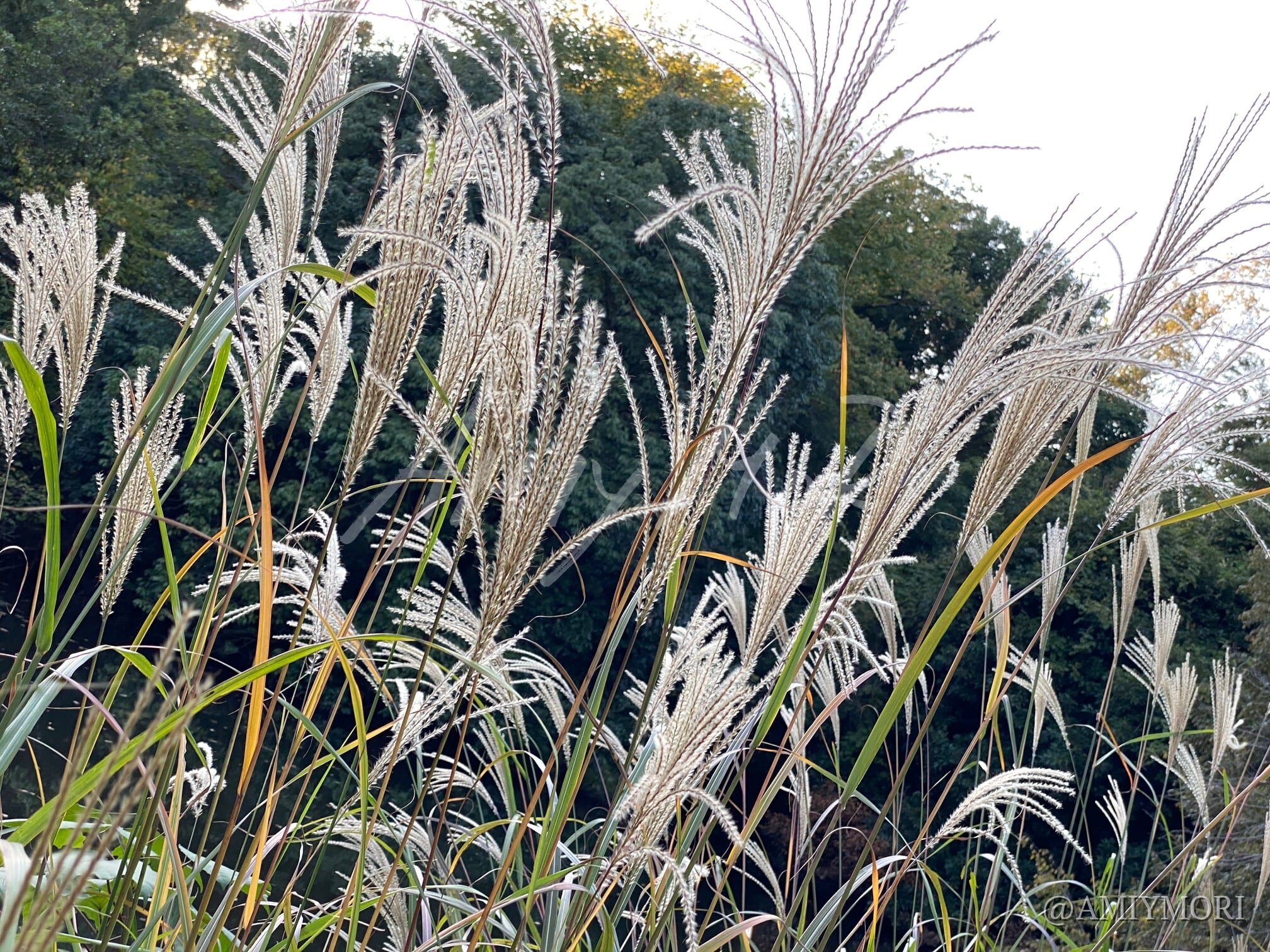
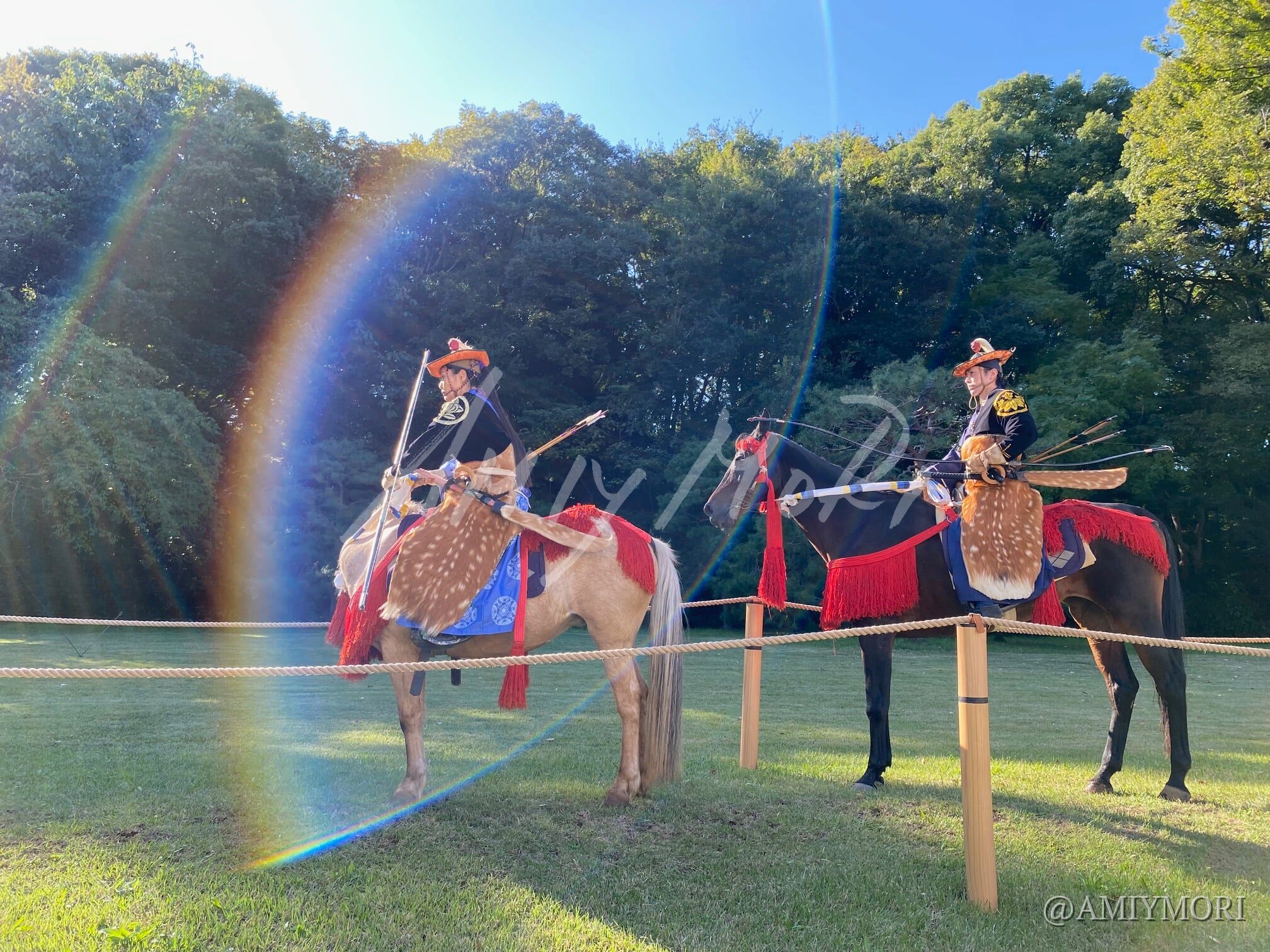
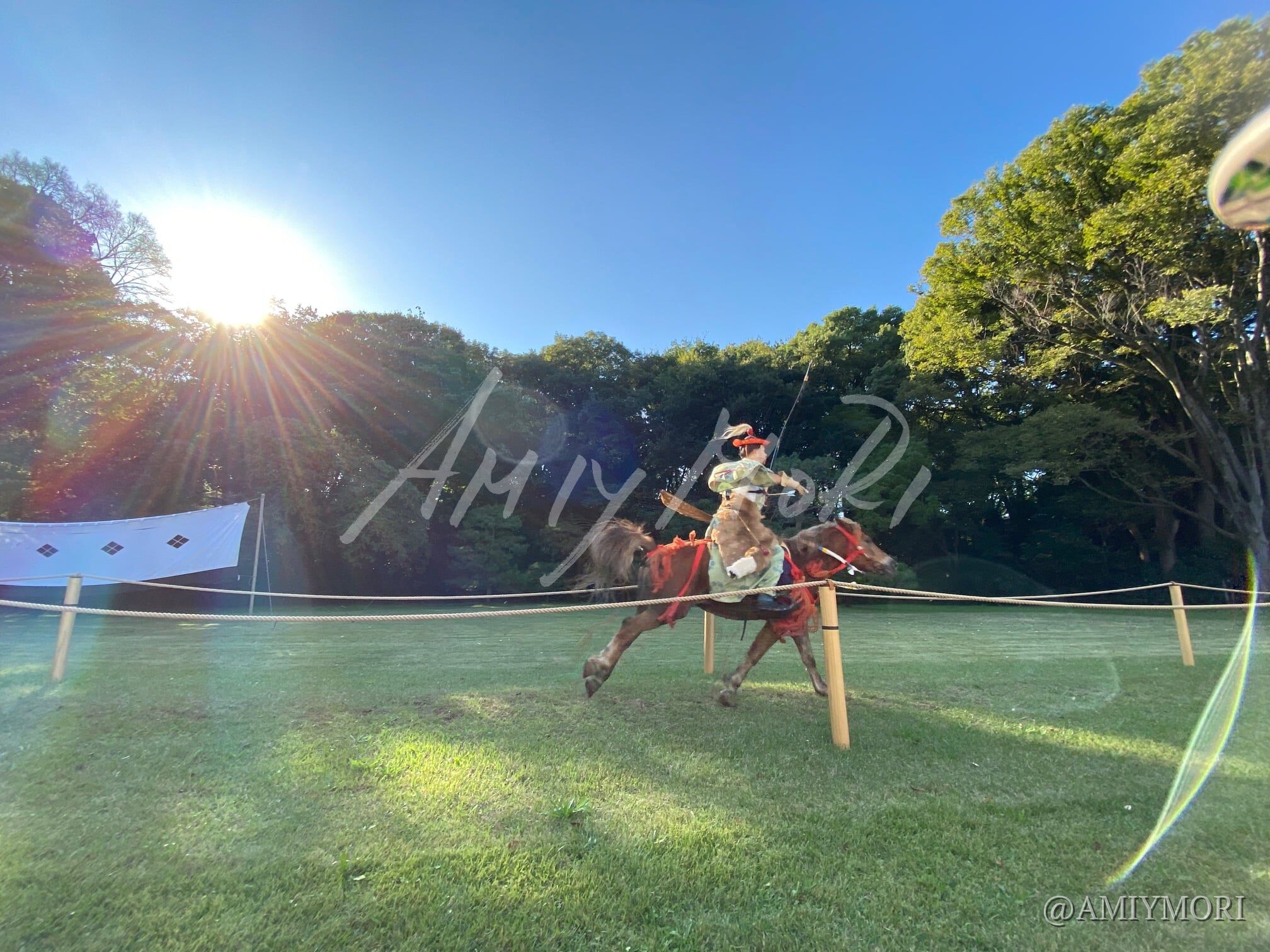
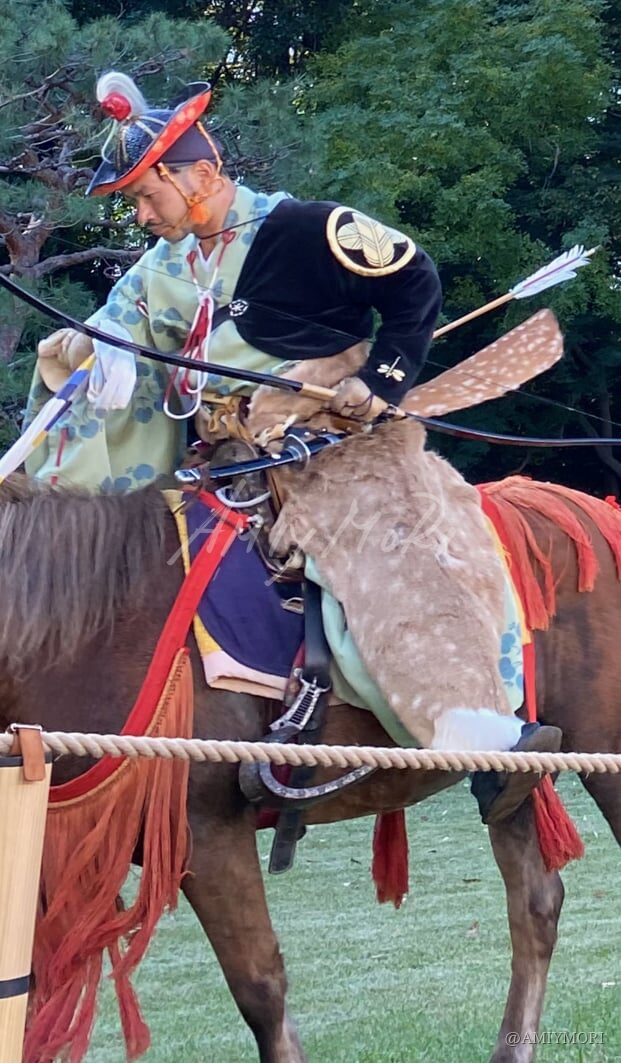
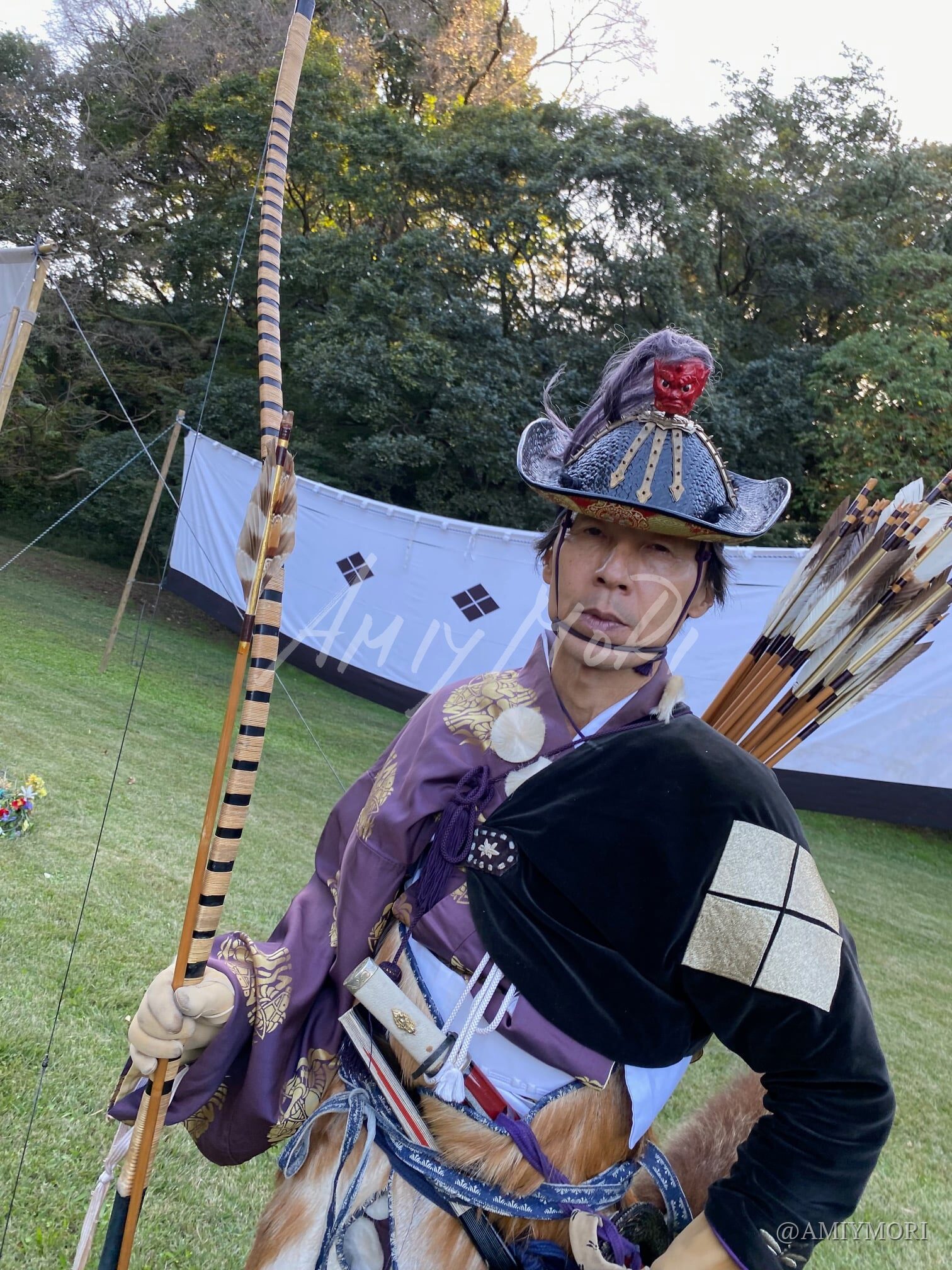
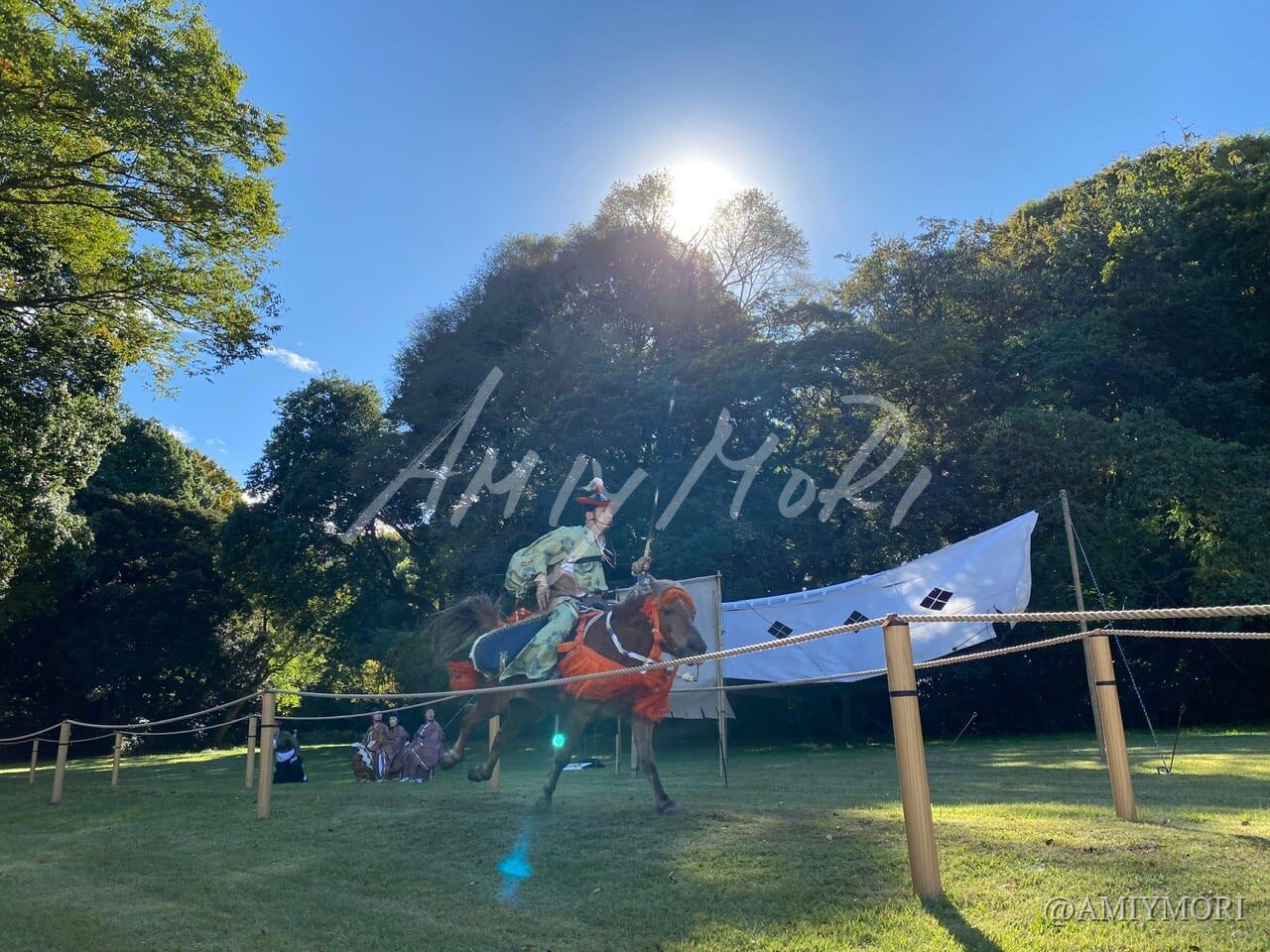
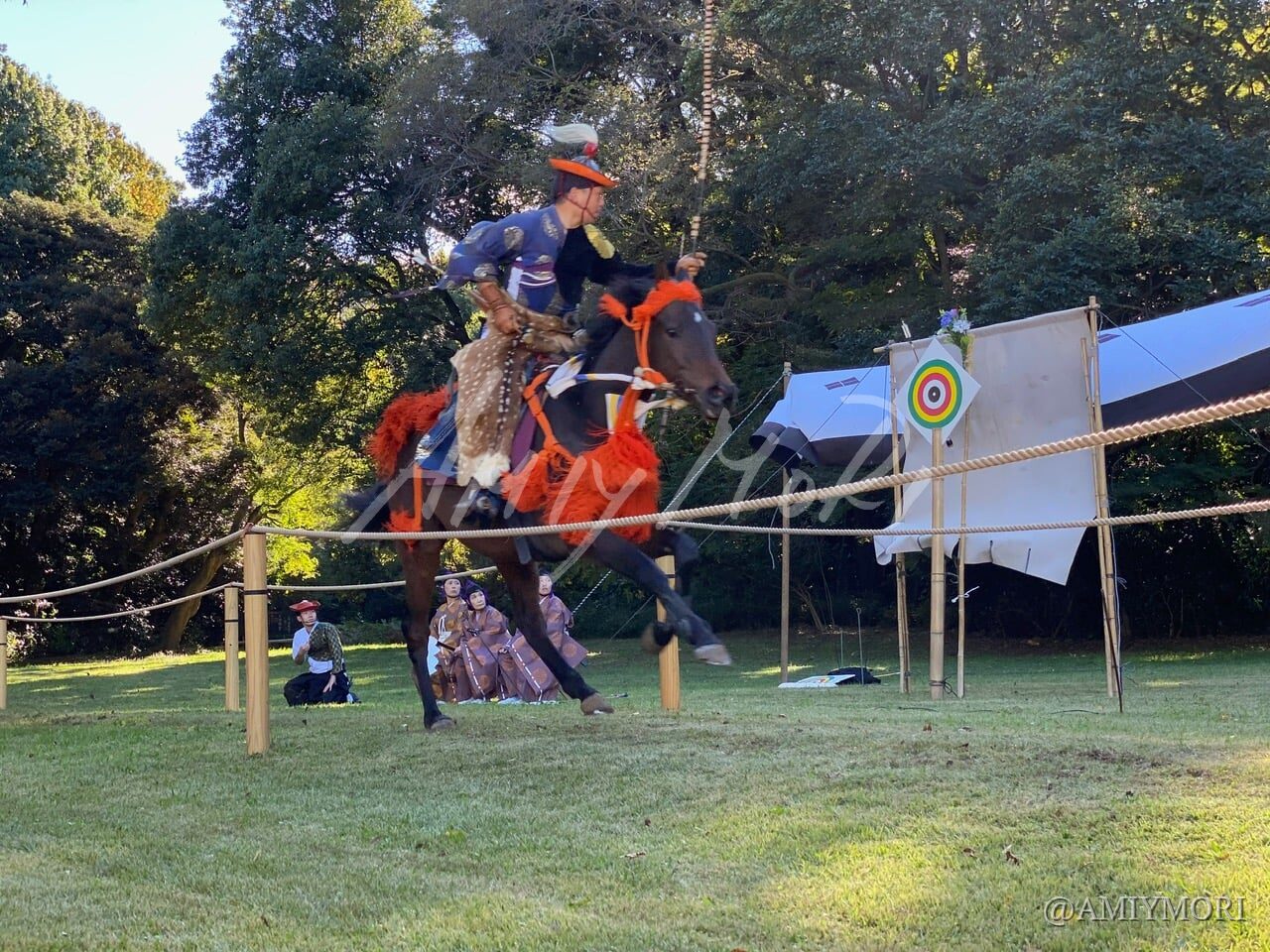
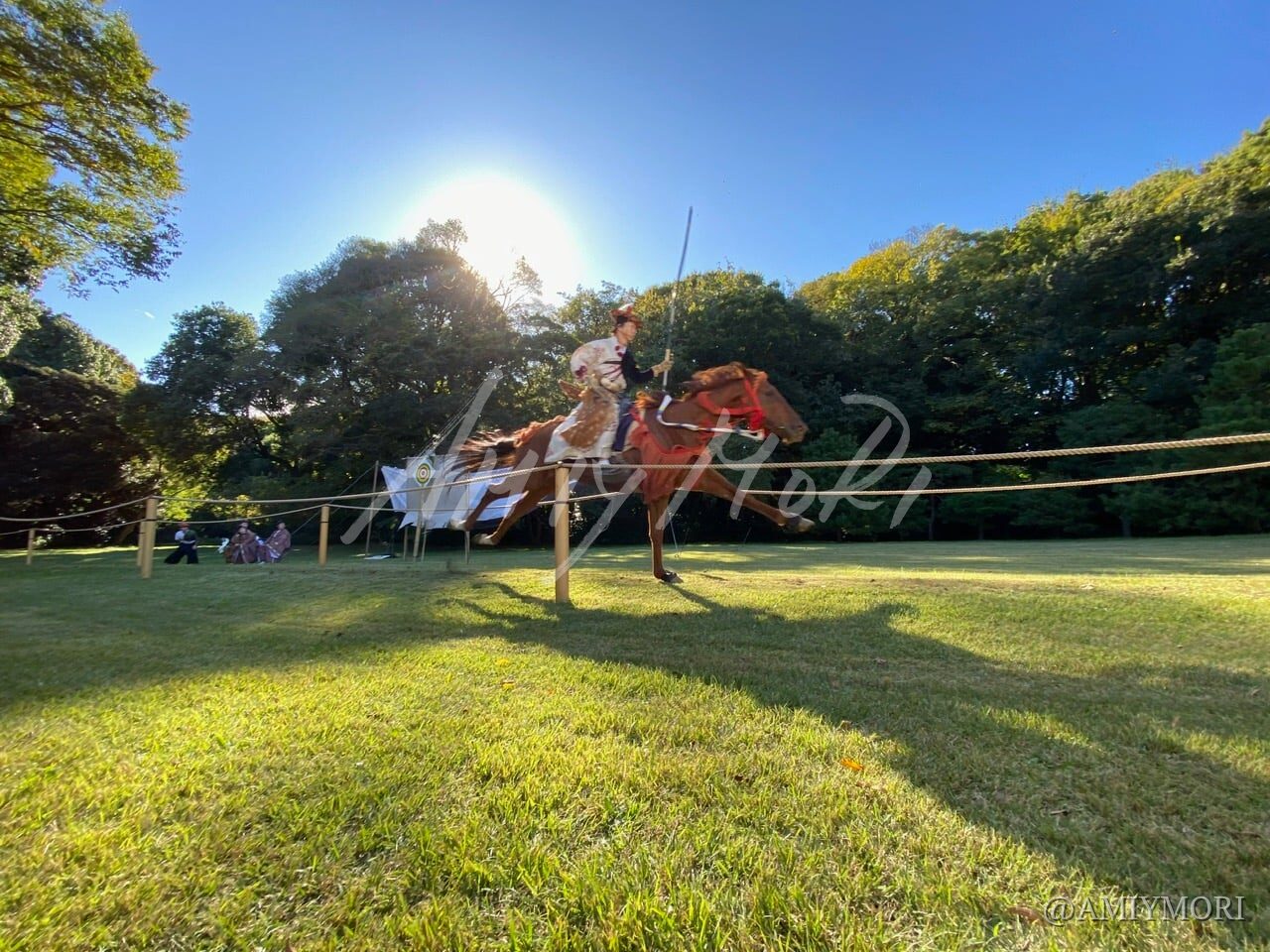
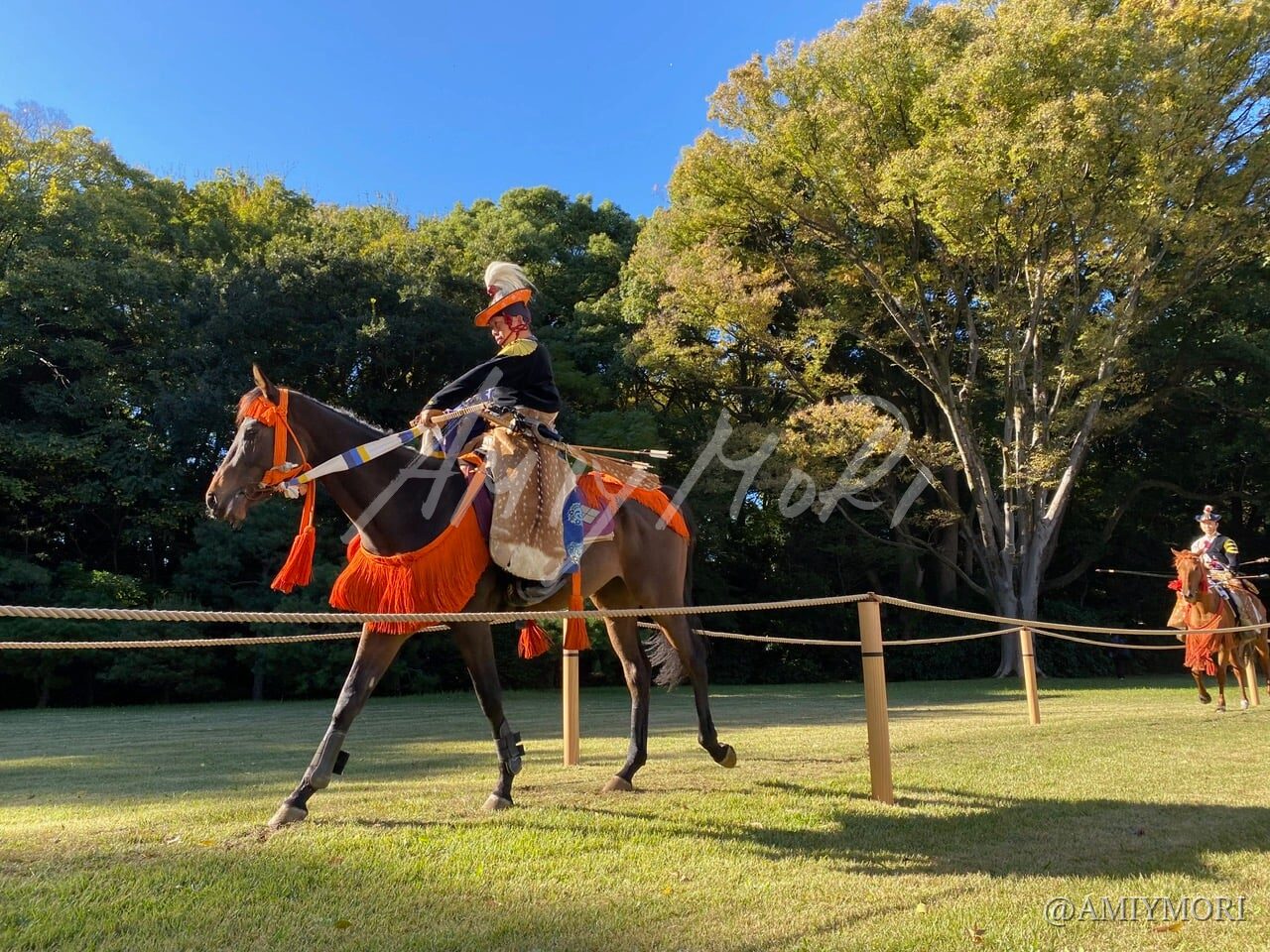
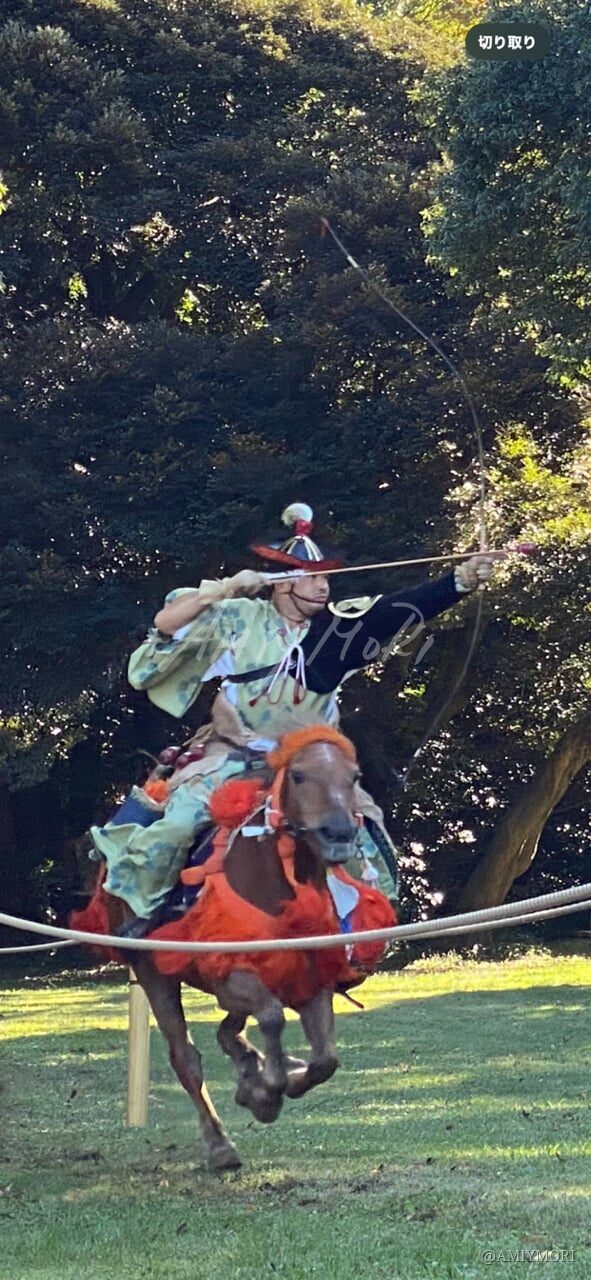
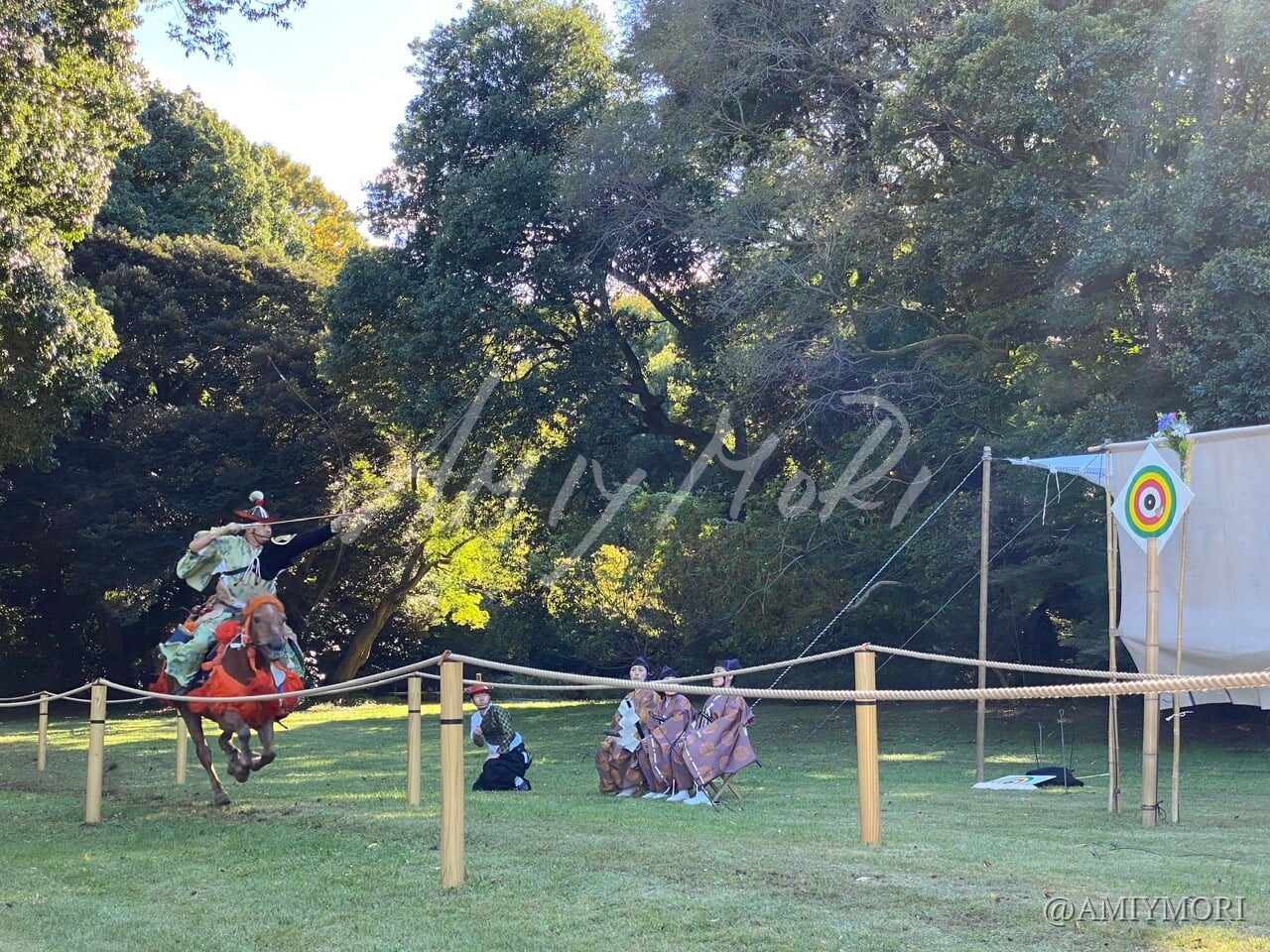
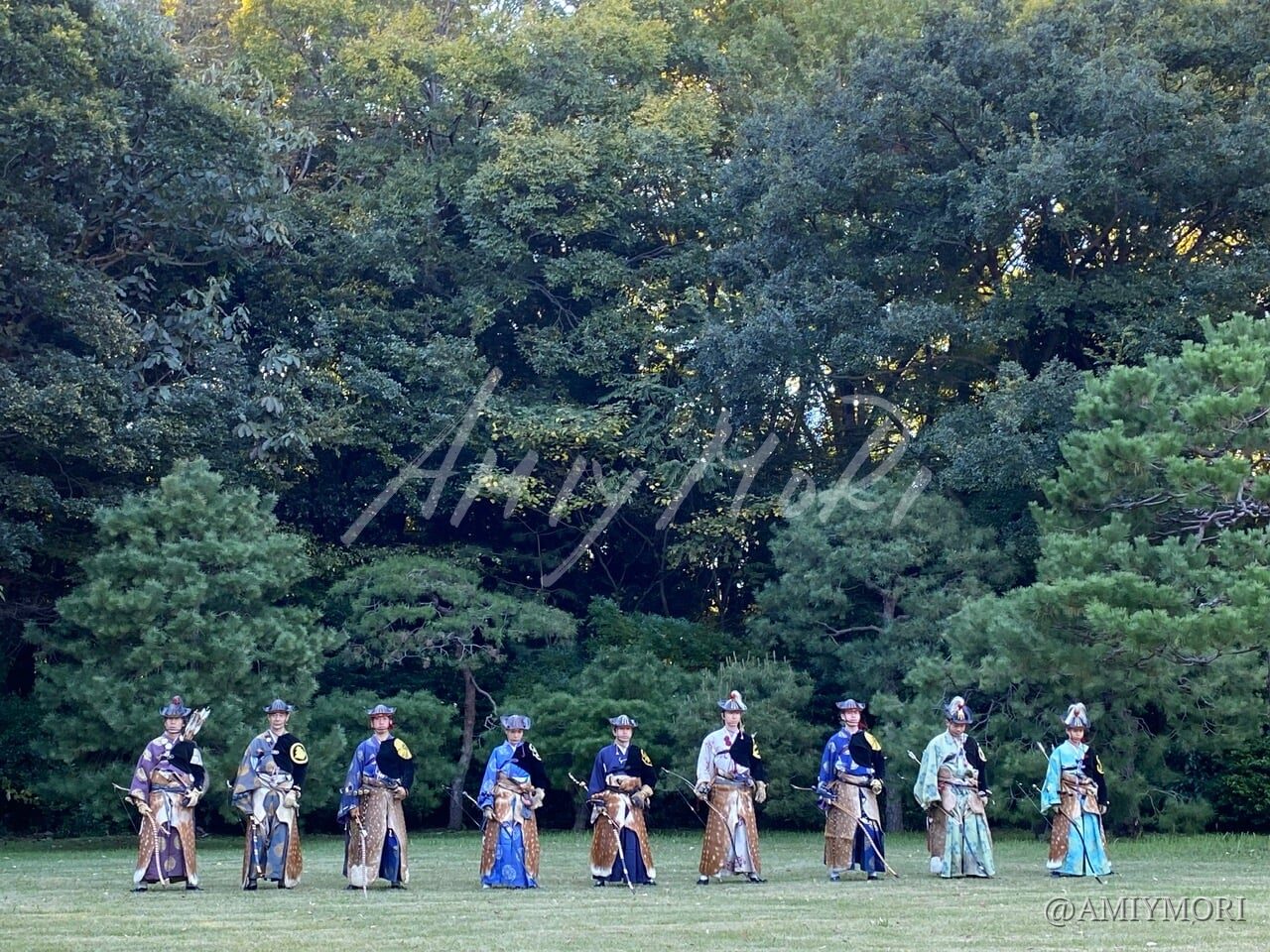
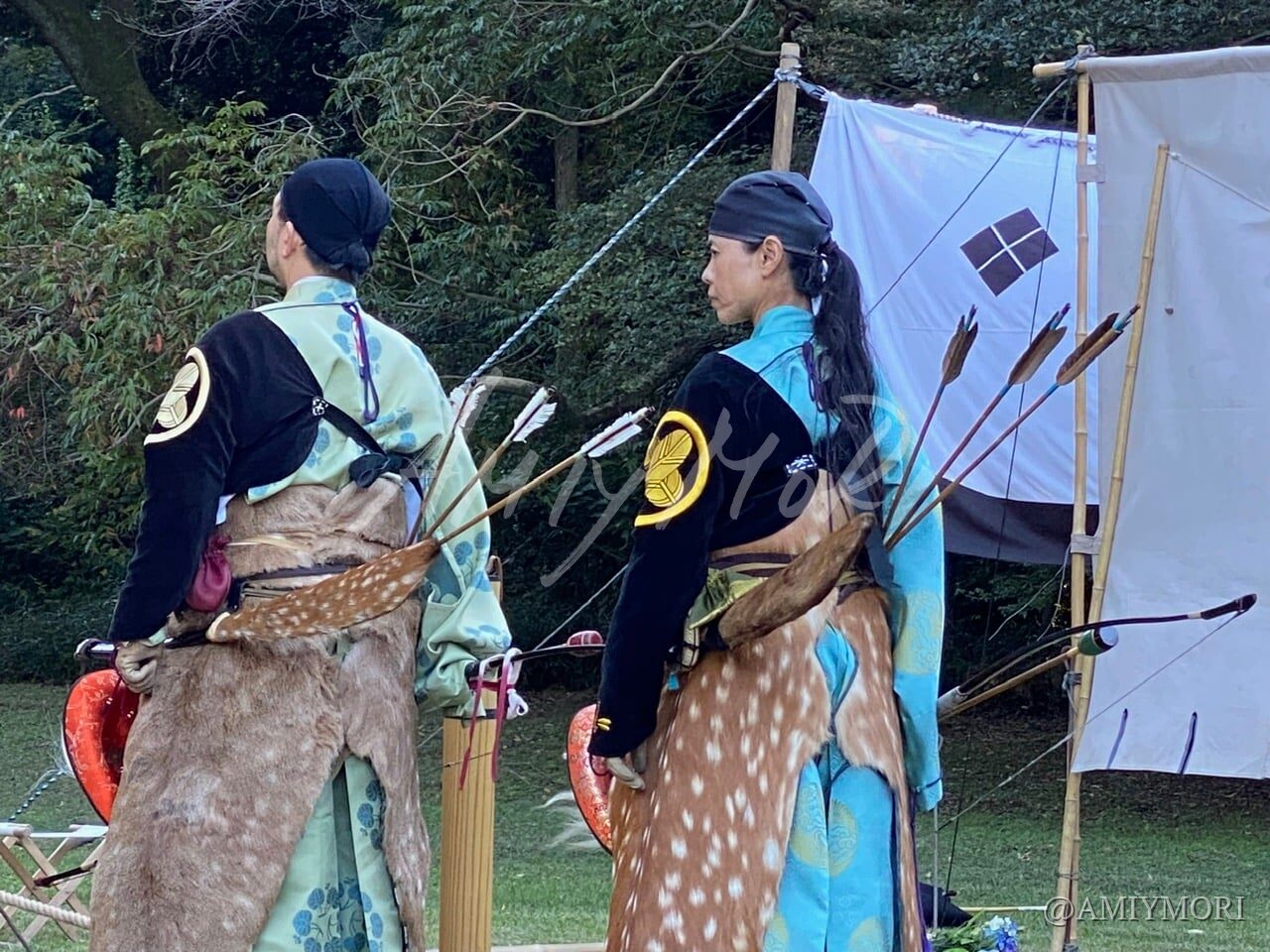
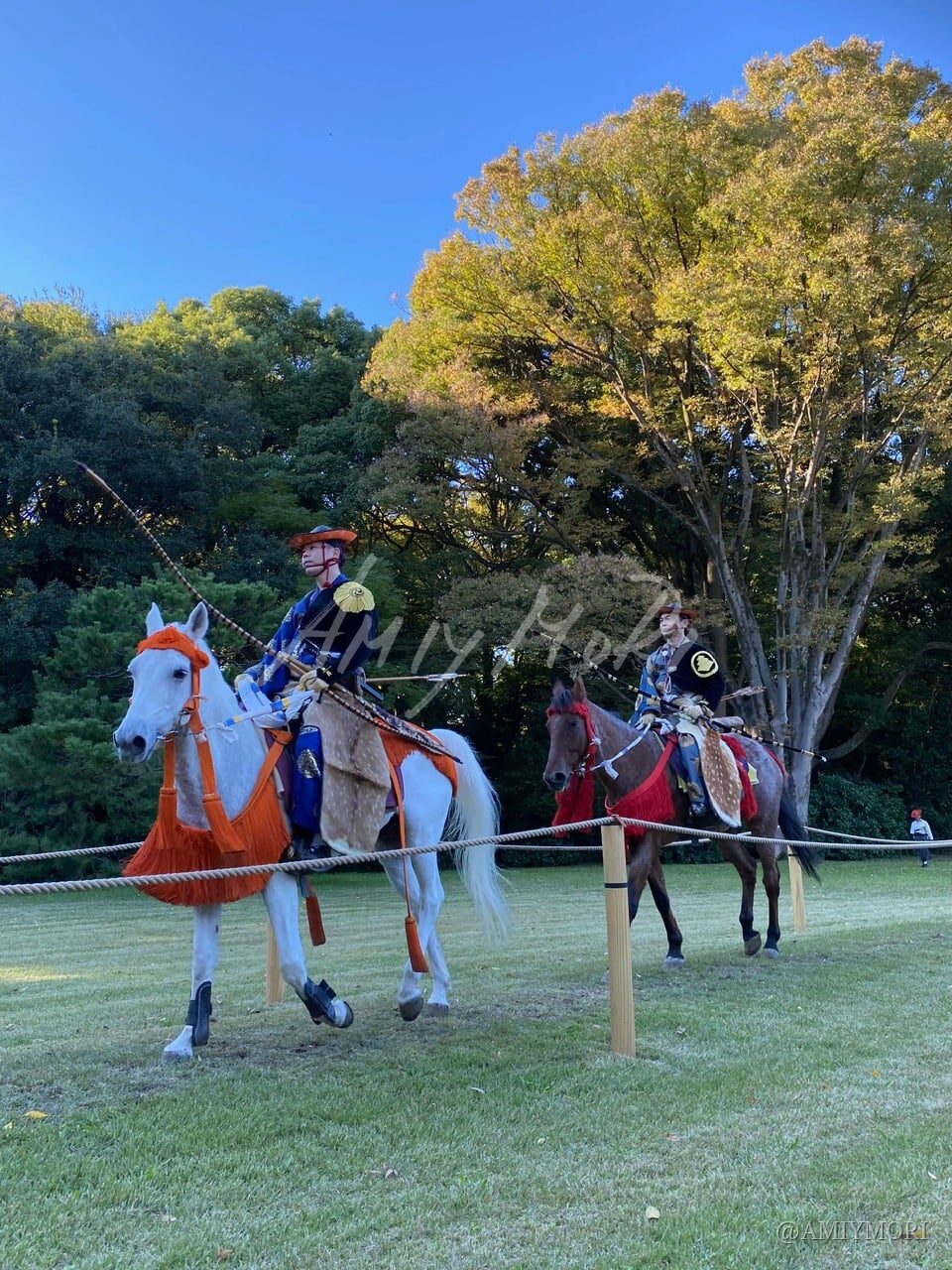
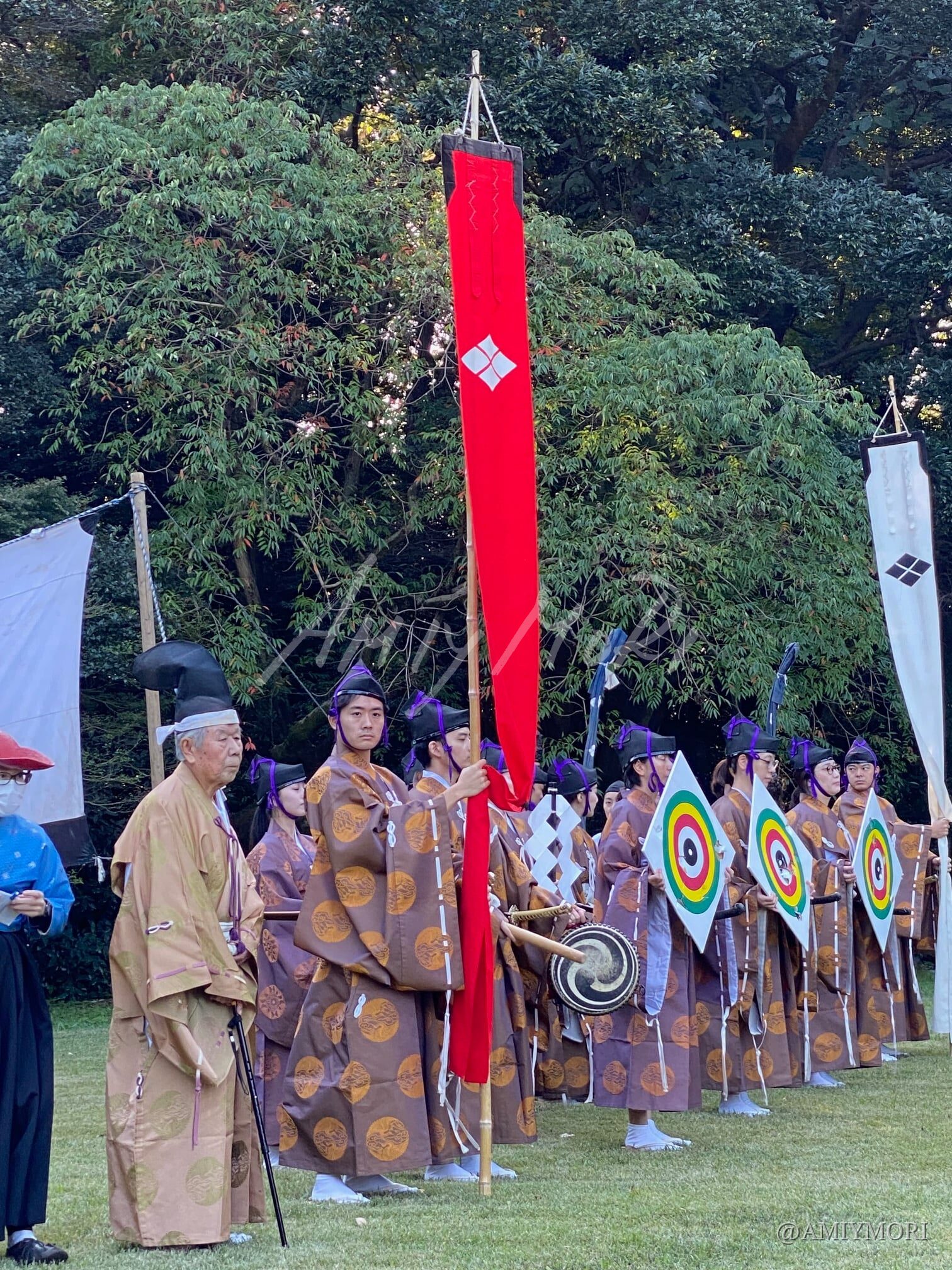
The yabusame footage was filmed last November. It captures the 流鏑馬 (yabusame) mounted archery offered at the Autumn Grand Festival, the annual festival of 明治神宮 (Meiji Jingu shrine) held every year on November 3rd. Amid leaves glittering as they danced down through the autumn sunlight, this ceremony, at once valiant and graceful, let me feel the dignified flow of time that is so distinctly Japanese.
I first witnessed yabusame at this shrine the year before last, and I was truly moved. The powerful thud of hooves kicking up the earth, and the archers who, atop the heavily swaying backs of their horses, hold their bodies perfectly still at the core and draw their great bows with crisp precision. They are simply magnificent. Their elegance is well worth seeing for yourself.
Thanks to the kindness of the person who invited me, I was seated in the very front row. So as not to disturb anyone, the footage you have seen was taken on my phone without my moving a single step from my seat (photographer though I am). The ambassadors of various countries seated alongside me were also filming on their phones with shining eyes, and as a Japanese person, this made me very happy.
This autumn was, for me, an autumn of culture unlike any I have had in years. I was invited to a number of Japanese cultural events that could be called the very pinnacle of traditional Japanese culture, and I cannot express how grateful I am.
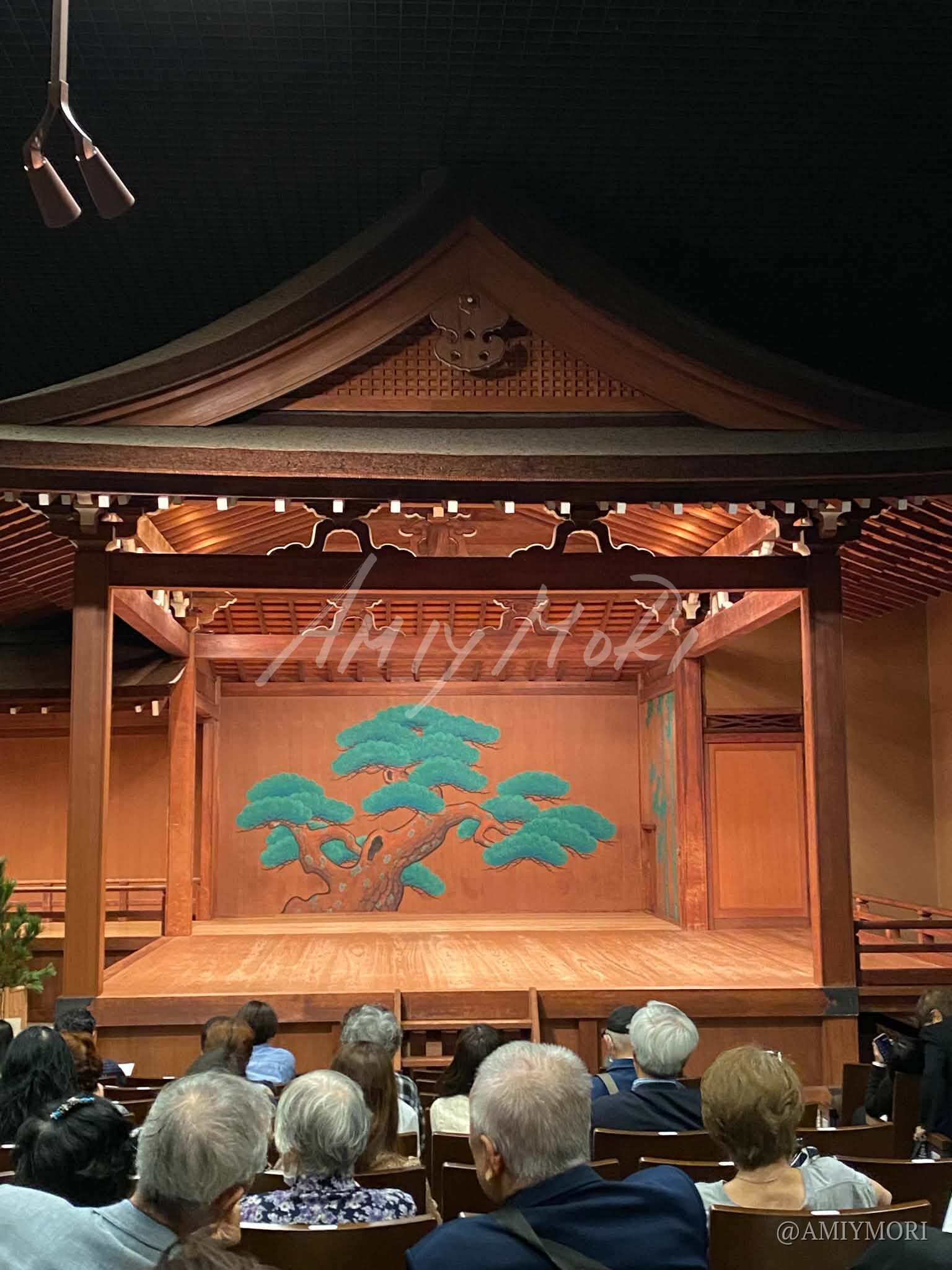
In September, I attended the September performance at the 歌舞伎座 (Kabukiza theatre). My first kabuki in several years, and my first time seated in the second row. I could see even the delicate fingertips of the actors and the shimmer of gold and silver threads in their beautiful costumes. At the Noh stage of the 宝生流 (Hosho school), I was able to see performances by the head of the school and by a holder of Important Intangible Cultural Property (Nohgaku), as well as kyogen by Nomura Mansai, all at once. It was a truly joyful autumn.
Among these invitations, I was also invited to my first tea ceremony of 表千家 (Omotesenke). Being welcomed to such a distinguished tea gathering was a special experience, one that made me straighten my posture anew.
On the day of the tea ceremony, I put on a kimono, which I had not had a chance to wear recently, but my right shoulder had become a little difficult to raise, and tying the 帯締め (obijime) took me a little time. Dressing in kimono for a tea ceremony truly requires great care. Wanting to wear something proper, in the proper way, so as not to be discourteous, choosing a kimono is a major undertaking for someone like me who does not usually study tea. I found myself lost in thought. I do not own a kimono bearing a family crest, and I wondered whether Western clothing might be better. But when I consulted the person who had invited me, she said, “Finding Western clothing suited to the occasion would be far more difficult,” and she was quite right. In the end, I chose a 訪問着 (homongi) in a subdued black with a chrysanthemum pattern. When I arrived at the tea ceremony, there was no one in Western clothing, and I quietly breathed a sigh of relief as I joined the gathering.
Though nervous, I enjoyed sweets that delighted the eye, such as wagashi shaped like autumn leaves, and spent a wonderful time receiving both 濃茶 (koicha) and お薄 (usucha) in elegant vessels, across two separate rooms.
The tea utensils I was privileged to see, the single flower arranged in the 床の間 (tokonoma). And the hanging scroll. Even to an amateur like me, everything was truly exquisite. Of course, one never takes photographs in a place like this. Instead, I released the shutter in my heart and burned each image into my memory.
Even so, there was one hanging scroll in a quiet corner of the venue from which I could not take my eyes. Beneath the gourd held by 達磨 (Daruma), a small horse was painted, and someone viewing it alongside me softly murmured the words 「瓢箪から駒」 (hyotan kara koma). From that scroll, I learned for the first time the meaning of a proverb I had always used without a second thought. “Koma.” Indeed, a horse. It is a pity I cannot show it to you, but the charming little horse painted small in the lower left corner of that scroll is firmly imprinted in my memory.
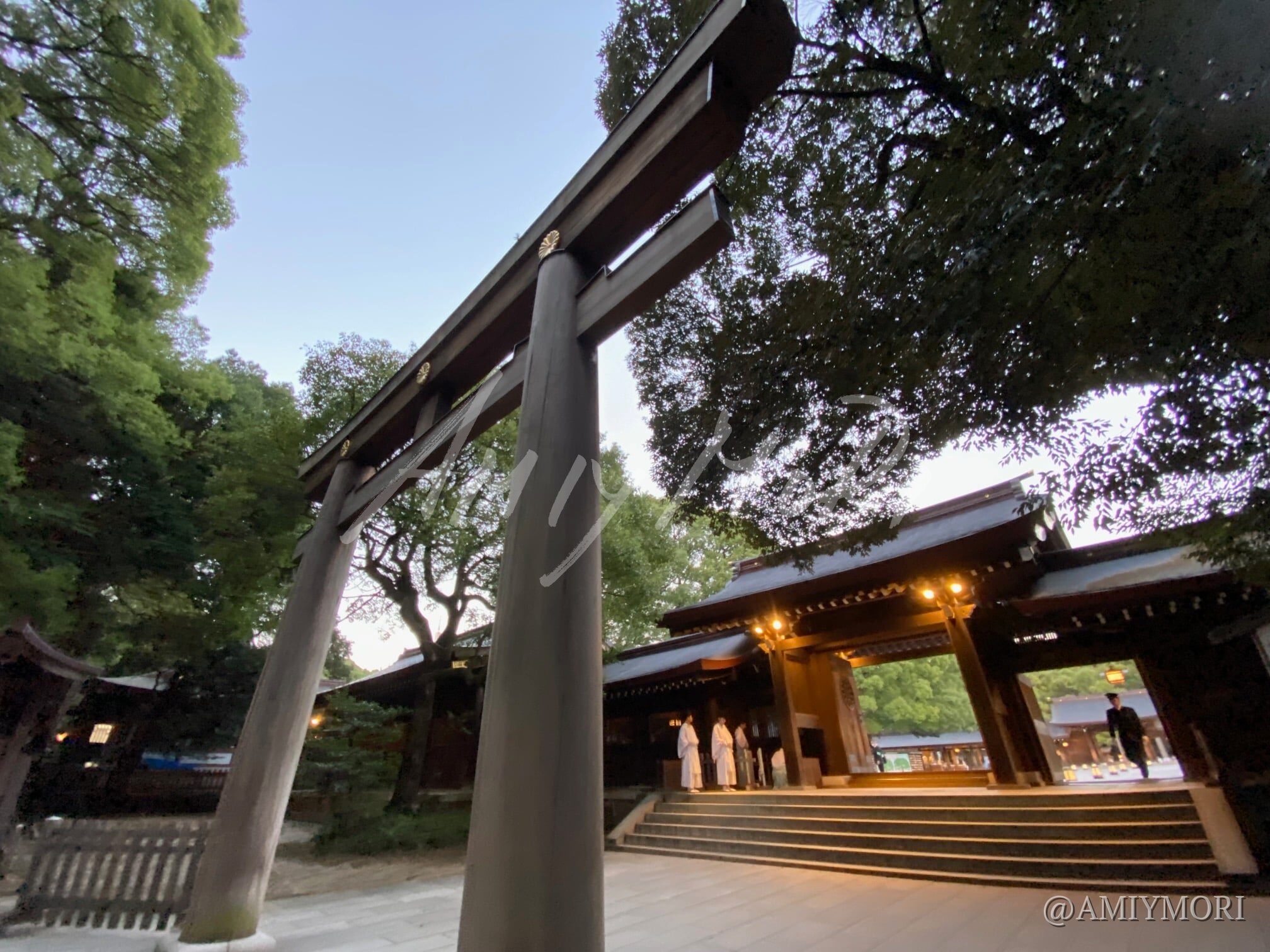
This year again, on November 3rd, Culture Day, yabusame will be held at Meiji Jingu. Within the vast shrine forest in the heart of the city, I believe many other events connected to Japanese culture will be taking place as well. I warmly encourage you to visit Meiji Jingu on Culture Day and to rediscover the traditions of Japan.
*Hyotan kara koma (a horse from a gourd): a proverb meaning that something that could never come out of a gourd does, or that the impossible, or a joke, comes true.
Meiji Jingu
Yabusame Offering 2024
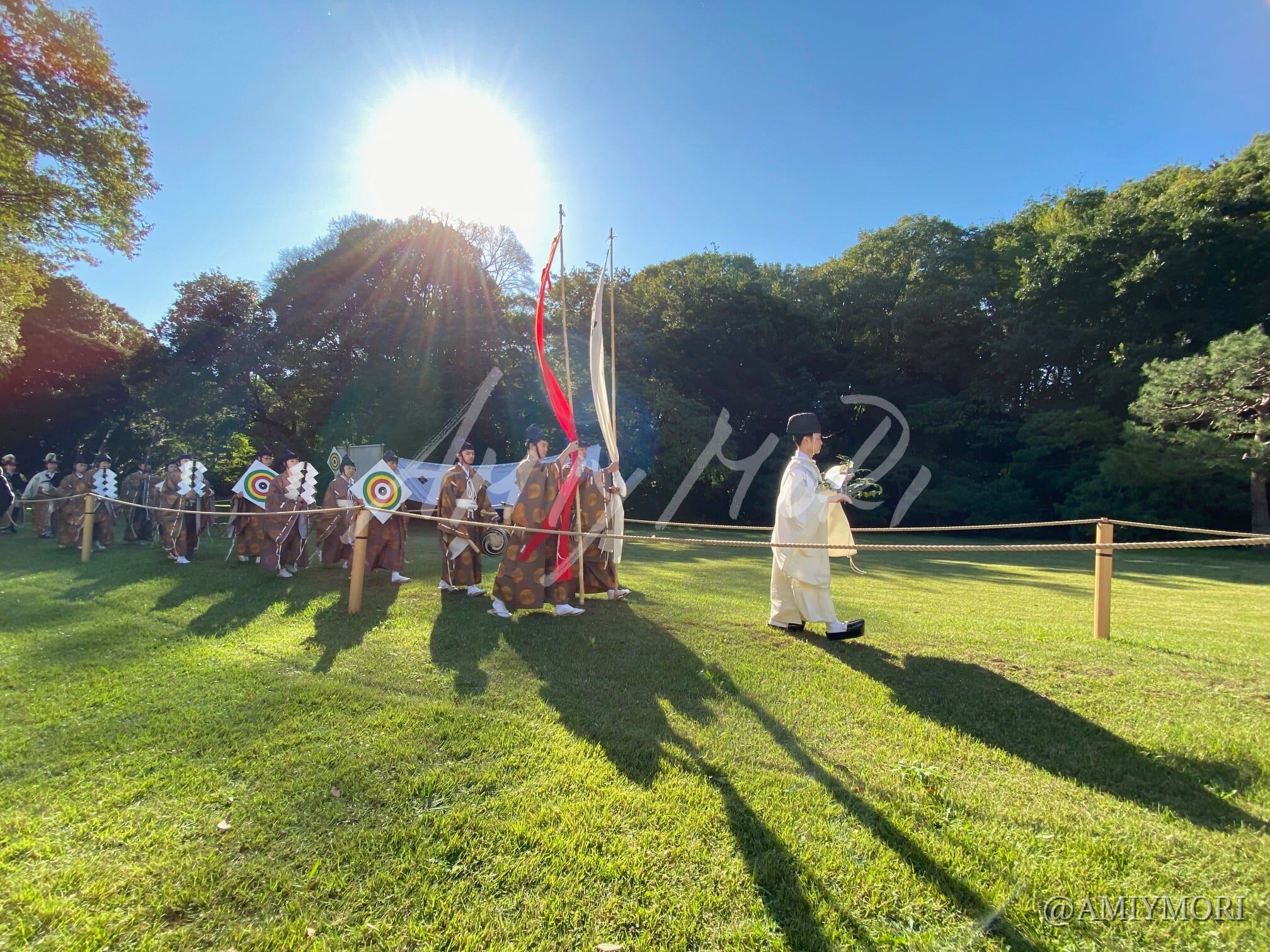
Yabusame Offering 2025
Hosho Noh Theatre